
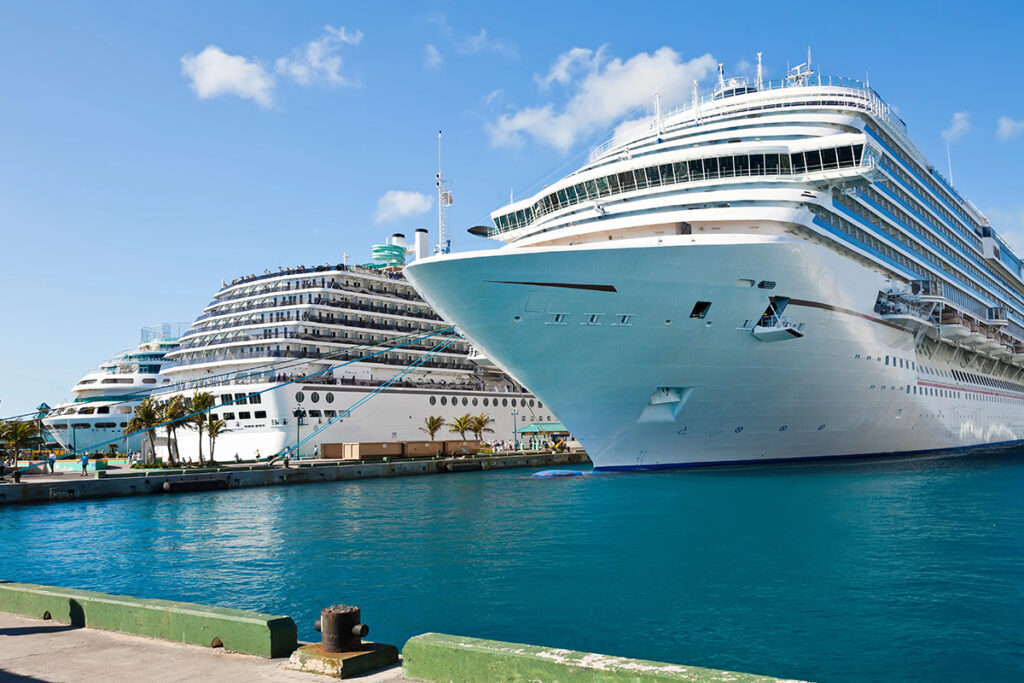
Cruise ships have always embodied a unique kind of vacation: part adventure, part luxury, part community experiment. After a pandemic slowdown, cruising has surged back in popularity with ships larger, routes more varied, and experiences more tailored than ever to different seasons of life.

Cruise vacations attract all kinds of travelers. Singles go to meet people and explore new places. Families enjoy the entertainment and extra space. Retirees prefer slower trips with learning activities. But in 2025, cruises are being talked about for another reason. A series of Netflix documentaries showing real-life incidents and problems on cruise ships has drawn public attention. As a result, cruise ships are no longer seen as just relaxing vacations; they have become symbols of danger, mystery, and public curiosity.
A Cruise for Every Life Stage and Every Traveler
Today’s cruise industry has diversified far beyond buffets and bingo. Modern offerings cater to an astonishing range of interests:
- Singles & Solo Travelers: Shorter itineraries and social events designed to foster connection without pressure.
- Families: Multi-generation accommodations with onboard water parks, kids’ clubs, and age-specific programming.
- Retirees & Slow Travelers: Luxury lines with enrichment programs like history lectures, wine courses, and world-cruise routes.
- Adventure Seekers: Expedition vessels to remote locales like the Arctic, Antarctica, and deep-sea exploration add-ons.
Cruise lines understand that vacations are more than relaxation; they’re identity statements.
The Netflix Effect: When Reality Meets the High Seas
While cruises promise relaxation and adventure, recent media, especially on Netflix, has drawn massive attention to what can happen when the unexpected strikes at sea. Some viewers are tuning in for the mystery, others for real-world drama, but all the coverage reinforces that a ship is a self-contained world where everything that can happen might happen.
The “Poop Cruise” Nightmare
In June 2025, Netflix released an episode of its Trainwreck documentary series titled Poop Cruise, revisiting the infamous 2013 Carnival Triumph voyage. What was meant to be a four-day trip from Texas to Mexico became a widely publicized disaster when an engine-room fire knocked out power, including air-conditioning, toilets, and refrigeration, leaving passengers stranded without basic sanitation. Hallways filled with waste, food spoiled, and many described days of sweltering heat and frustration before the ship was towed to port after four days adrift. Passengers’ emotional recounting from alarms blaring in cabins, to walking through sewage-soaked corridors, offered vivid, unsettling scenes of life when cruise infrastructure fails.
The documentary doesn’t shy away from raw moments: interviews with crew trying to manage chaos, personal testimonies of humiliation and fear, and footage of passengers relieved when the ship finally docked. Viewers responded viscerally; some on social media declared they would never go on a cruise after watching.
Mystery at Sea: Amy Bradley Is Missing
Also in 2025, Netflix premiered a three-part docuseries, Amy Bradley Is Missing, which revisits the 1998 disappearance of 23-year-old Amy Bradley from a Royal Caribbean cruise near Curaçao. Bradley was last seen on her cabin balcony after an evening of dancing; by morning, she was gone without a trace. The series weaves interviews with her parents, crew members, passengers, and investigators as it reconstructs the timeline and explores theories ranging from accidental overboard fall to more sinister possibilities.
One scene that resonated widely shows home video footage of Bradley aboard the ship, juxtaposed with interviews where family and witnesses recall her last moments, illustrating just how abruptly a vacation can shift into uncertainty. The emotional weight of the unanswered mystery kept audiences talking, even as critics pointed out the documentary’s speculative bends.
Why These Stories Captivate
These documentaries aren’t just about cruising; they’re about people, vulnerability, and how institutions respond under stress. The cruise ship becomes a metaphor for society itself: contained, hierarchical, and vulnerable to unexpected disaster. For viewers, the mix of glamour and danger creates a compelling contradiction: Is cruising a timeless escape or a microcosm of risk?
This Netflix effect doesn’t uniformly deter potential passengers. In many cases, it increases curiosity. After all, people watch disaster movies, and survival shows too; there’s a psychological loop where fear enhances engagement without completely dampening desire. The key is context: audiences want to be informed and entertained.
Balancing Drama with Reality: Cruise Ship Safety Today
Despite high-profile media narratives, it’s important to understand the broader context of cruise safety:
- Industry Improvements.
- Advanced surveillance and monitoring systems.
- Mandatory safety briefings and evacuation drills.
- Updated emergency response protocols.
- Better health screening and sanitation procedures.
- Risk Is Real, But Rare.
The incidents showcased in documentaries tend to be exceptions, not the rule. Millions cruise each year safely. What most media don’t show is the routine commitment to guest care: trained medical staff, certified safety officers, and detailed crisis protocols that operate behind the scenes.
Passenger Responsibility
Travelers can do their part:
- Attend all safety briefings.
- Familiarize themselves with ship layouts and muster stations.
- Keep emergency contact info accessible.
- Travel with companions, especially in uncertain waters or unfamiliar settings.
Safety at sea is a shared responsibility between cruise lines, international regulators, and passengers themselves.
Why Cruising Still Calls to Travelers
Despite controversial documentaries and social chatter, cruising remains an irresistible option for many and for good reason:
- Ease and convenience: unpack once, visit multiple destinations.
- Value for money: bundled food, lodging, and entertainment.
- Variety of experiences: culture, nature, nightlife, relaxation.
- Community: opportunities to meet people from around the world.
Cruising meets travelers where they are in life, whether seeking solitude, celebration, discovery, or connection. And in a world with shrinking leisure time, the ship remains a compelling arena where life’s rhythms can slow, quicken, and sometimes surprise.
The Allure and Awareness of the High Seas
Cruises aren’t for everyone, and the recent Netflix effect has amplified both fascination and fear. But for millions, the allure of sailing the horizon stretching beyond routine life remains strong. Today’s cruise traveler is more informed than ever, sometimes watching documentaries while booking excursions, weighing myth and reality with equal parts excitement and caution.
Ultimately, the cruise comeback isn’t just about vacations; it’s about stories we tell about ourselves at sea, whether they’re sandy beaches, dazzling shows, or unanswered mysteries that drift in the water long after the ship has sailed.

We don’t just report the news, we deliver it through the voices of multiple expert staff writers, each selected to broaden our scope and deepen our storytelling.
