
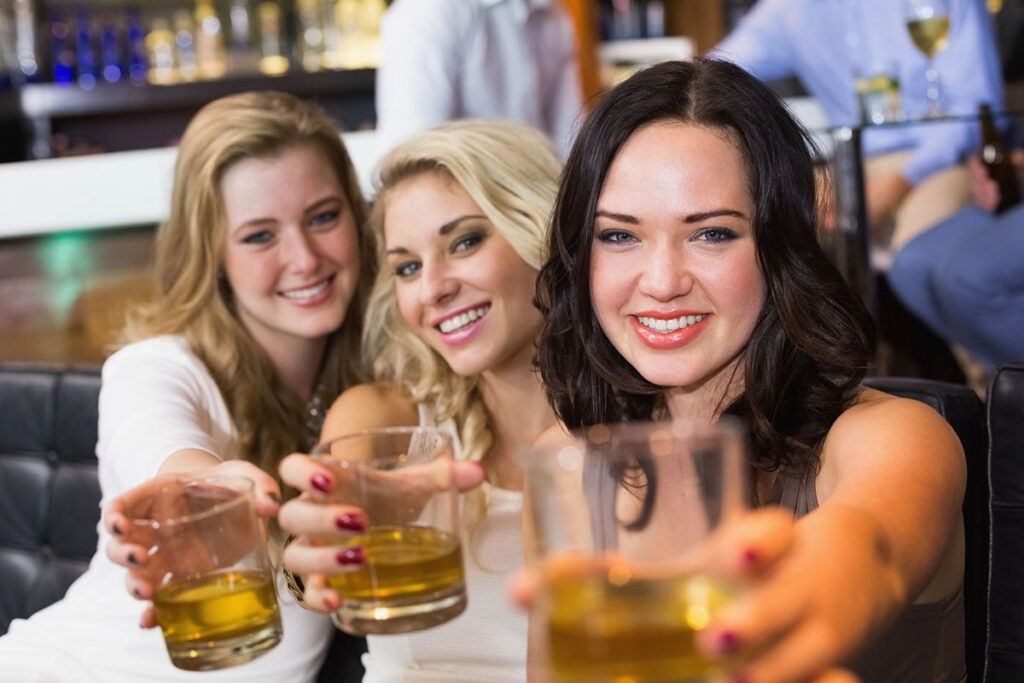
For decades, alcohol occupied a central place in social life. It marked milestones, symbolized freedom, and signaled adulthood. From college campuses to corporate networking events, drinking was woven into rituals of belonging. But something has shifted.

Across cities, a new generation is quietly reimagining what it means to socialize, celebrate, and cope. They are drinking less. In some cases, not at all. It is not because they are disengaged from life. It is because they are deeply engaged in it.
Welcome to the era of intentional living, where restraint feels less like deprivation and more like self-respect.
The Wellness First Generation
Generation Z and younger millennials have grown up in an age of unprecedented access to information. They understand how alcohol affects the brain, the gut microbiome, sleep cycles, and emotional regulation. They follow neuroscientists, fitness experts, and mental health advocates online. They track their sleep scores. They count their steps. They discuss therapy as casually as previous generations discussed weekend plans.
This is not a generation defined by excess. It is defined by optimization.
Alcohol, once framed as harmless fun, is now examined through a different lens. How does it affect REM sleep? What does it do to cortisol levels? Why does anxiety spike the morning after? Why does bloating linger? These are no longer fringe questions. They are mainstream conversations.
Mental health awareness plays a significant role in this shift. With rising openness around anxiety and depression, many young adults have become acutely aware of how alcohol can intensify emotional instability. The “hangxiety” phenomenon, a term now widely recognized, captures the way alcohol disrupts mood regulation. When emotional stability is prioritized, substances that compromise it lose their shine.
Fitness Culture Meets Sobriety
The rise of boutique fitness studios, marathon culture, and wearable technology has also changed the equation. Training for a half marathon does not pair easily with a Friday night binge. Strength goals and alcohol rarely coexist peacefully.
In neighborhoods dotted with boutique fitness studios across Manhattan and Brooklyn, it is common to hear conversations about macros, protein intake, and recovery time. Alcohol is no longer neutral. It is a variable that interferes with performance.
Even gym culture itself has evolved. Fitness is no longer only about aesthetics. It is about longevity, hormone balance, gut health, and mental clarity. Alcohol, known to disrupt all four, feels increasingly misaligned with this philosophy.
Gut health has become a buzzword with substance. From kombucha to probiotics, young consumers are investing in digestive wellness. Alcohol’s inflammatory effects and impact on the microbiome are well documented. For a generation sipping kefir and reading labels, sugary cocktails and heavy beers can feel out of step with a generation more focused on health and information.
The Social Media Mirror
There is also a visibility factor at play. In the age of Instagram and TikTok, social consequences are amplified. A sloppy night out can become a permanent digital artifact. Image consciousness has always existed, but the permanence of online content has intensified self-monitoring.
But the shift goes deeper than optics. Social media has normalized alternative lifestyles. Influencers openly document sobriety journeys. The sober curious movement encourages exploration without rigid labels. People share before and after stories not of weight loss but of clarity gained and anxiety reduced after cutting alcohol.
In past decades, not drinking required explanation. Today, drinking heavily sometimes does.
The Rise of the Mocktail Economy
Restaurants and bars have noticed.
Scan a contemporary cocktail menu in Manhattan, Brooklyn, or the Lower East Side, and you will likely find a dedicated section for zero proof beverages. These are not sugary afterthoughts. They are crafted with the same care as their alcoholic counterparts. Layered syrups, fresh herbs, botanical infusions, and smoked garnishes are common.
What was once a token virgin mojito has evolved into complex, elegant mocktails featuring ingredients like seedlip, adaptogens, and cold pressed juices. Bartenders speak the language of balance and mouthfeel without relying on alcohol.
This is not merely accommodation. It is innovation.
Hospitality professionals understand that the modern guest may want the ritual of a drink without the physiological cost. The clink of glasses, the artistry, and the pause in conversation all carry social meaning. Mocktails preserve the ceremony while eliminating the aftereffects.
Even alcohol-free spirits and wines have improved dramatically, evolving from novelty to a legitimate market segment. Dedicated alcohol-free bars have opened in major urban centers, signaling that abstinence no longer means exclusion.
The Identity Shift
Perhaps the most profound transformation is psychological.
For decades, alcohol symbolized rebellion. Sneaking drinks signaled defiance. Ordering a cocktail signaled adulthood. Tolerance equaled toughness. Now restraint carries its own symbolism.
Choosing not to drink can signal discipline. It can represent self-awareness. It can reflect a commitment to emotional regulation and personal growth. In certain circles, declining alcohol does not make someone seem timid. It can feel powerful.
This identity shift mirrors broader cultural changes. Therapy is normalized. Meditation apps are common. Morning routines are curated. Success is often framed not as wild abandon but as sustainable productivity.
In this framework, alcohol can feel misaligned with long term goals. The narrative is no longer “I deserve a drink after a hard week,” but “I deserve rest, hydration, and clarity.” Self-control, once considered restrictive, is reframed as self-respect.
Economic and Practical Considerations
There are practical factors as well. Alcohol is expensive. In cities with rising living costs such as San Francisco or Singapore, a single cocktail can rival the price of a full meal elsewhere. For a generation navigating student debt and high rent, moderation can be financially strategic.
Add to that the rise of side hustles and entrepreneurial ambition. Many young professionals work weekends, build personal brands, or pursue passion projects outside traditional hours. Waking up foggy is not just uncomfortable. It is counterproductive.
Driving culture also plays a role. With ride hailing apps widely available, people have options, but they also have increased awareness of safety. Public discourse around responsible behavior has intensified. Being the sober driver can feel like leadership rather than inconvenience.
Not Abstinence, But Intention
It is important to note that this is not universal abstinence. Many young adults still drink socially. Wine tastings remain popular. Craft breweries continue to thrive. But frequency and volume are shifting. The difference lies in intentionality.
Instead of defaulting to alcohol at every gathering, people ask themselves whether they actually want it. They experiment with dry months. They alternate between alcoholic and non-alcoholic options. They pay attention to how their bodies respond.
The question has changed from “Why aren’t you drinking?” to “How do you feel when you do?”
A Broader Cultural Reset
This generational evolution may signal a broader recalibration of how pleasure is defined.
For much of modern history, pleasure was associated with indulgence, more drinks, later nights, louder music. Today it increasingly includes deep sleep, early workouts, therapy breakthroughs, and emotional stability.
Joy has become quieter, but perhaps more sustainable.
Bars and restaurants are adapting not only because it is profitable, but because culture demands it. The mocktail menu is a symbol of respect for evolving values. It acknowledges that celebration does not require intoxication.
In boardrooms, brunches, and birthday parties, the glass in hand no longer defines the person holding it. Sparkling water with lime can sit confidently beside champagne. The absence of alcohol no longer requires explanation.
The Future of Drinking Culture
Will alcohol disappear? Unlikely. It has deep historical and cultural roots. But its dominance as a social default is weakening.
What emerges instead is a spectrum that ranges from abstinent to moderate to celebratory. The stigma around saying no is fading. The pressure to participate is softening.
In many ways, this reflects a broader cultural maturity. A recognition that coping mechanisms matter. That mental health is fragile. That bodies are not indestructible.
A generation raised amid economic uncertainty, global crises, and relentless digital connectivity has learned to guard its inner stability. For them, clarity is currency. Energy is an asset. Emotional regulation is power.
The identity shift continues. Alcohol once signaled adulthood. Now sometimes declining it does. What was once framed as restraint is no longer a lack but a choice. A boundary. A statement of self-awareness.
The glass may still be raised. Increasingly, it reflects a conscious choice.

We don’t just report the news, we deliver it through the voices of multiple expert staff writers, each selected to broaden our scope and deepen our storytelling.
